
Career Direction & Change
Most senior careers stall for want of a decision rather than a want of ability. This section is for experienced professionals and STEM specialists weighing whether to stay or go, absorbing redundancy, considering a change of sector, or moving from academia into industry.
The guides set out how to define what your next move must actually provide, how to separate genuinely transferable capability from sector-specific knowledge, and how to test options through informed conversations and small experiments rather than speculative applications and expensive retraining. Clarity is produced by action, and a direction chosen on evidence survives contact with a hiring process. In Career OS™ this is where the MOVE pathway begins, at Career Diagnosis.
- Redundancy
- Stay-or-go decisions
- Career change
- Career pivots
- Transferable skills
- Career direction
In this category
14 resources curated for career direction & change. Every link goes to its existing page — nothing here is a republished copy.
 GuideMOVE
How to Change Career When You Don’t Know What Comes Next
Define what your next move must provide, test assumptions about pay and entry routes, evidence transferable skills, and trial a direction before committing to it.
- Career change
- Career direction
 GuideMOVE
Career Coach for Mid-Career Change: A Structured Approach
Transferable skills, positioning, career narrative, job-search strategy, interview preparation and negotiation — sequenced, with an honest account of when structured support helps.
- Mid-career
- Career change
 GuideMOVE
How to Change Careers After Automotive Redundancy
Losing an automotive role is not starting again. Translate career capital, test adjacent sectors and rebuild confidence through small, evidence-led moves.
- Redundancy
- Automotive
- Sector change
 GuideMOVE
Academic to Industry Transition: A Career Guide for STEM Professionals
Translating research, funding, supervision and teaching evidence into industry roles — adjacent role mapping, CV and LinkedIn, search, interviews and salary.
- Academia
- STEM
- Career change
 GuideMOVE / PROPEL
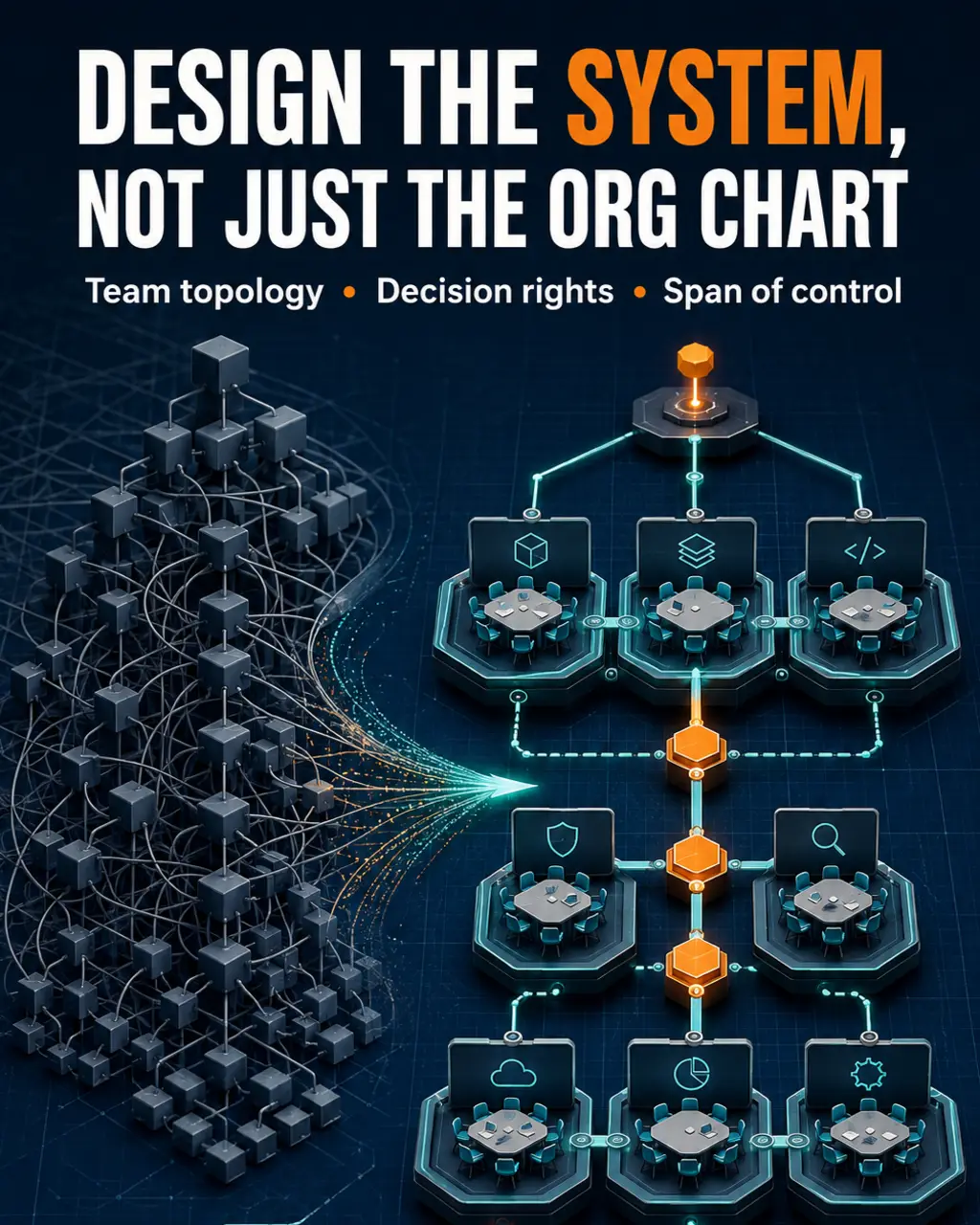
Staff Engineer vs Engineering Manager
Choosing between the senior individual-contributor track and people management — leverage, evidence, reward and the reversibility of each decision.
- Engineering
- Career decision
 ArticleMOVE
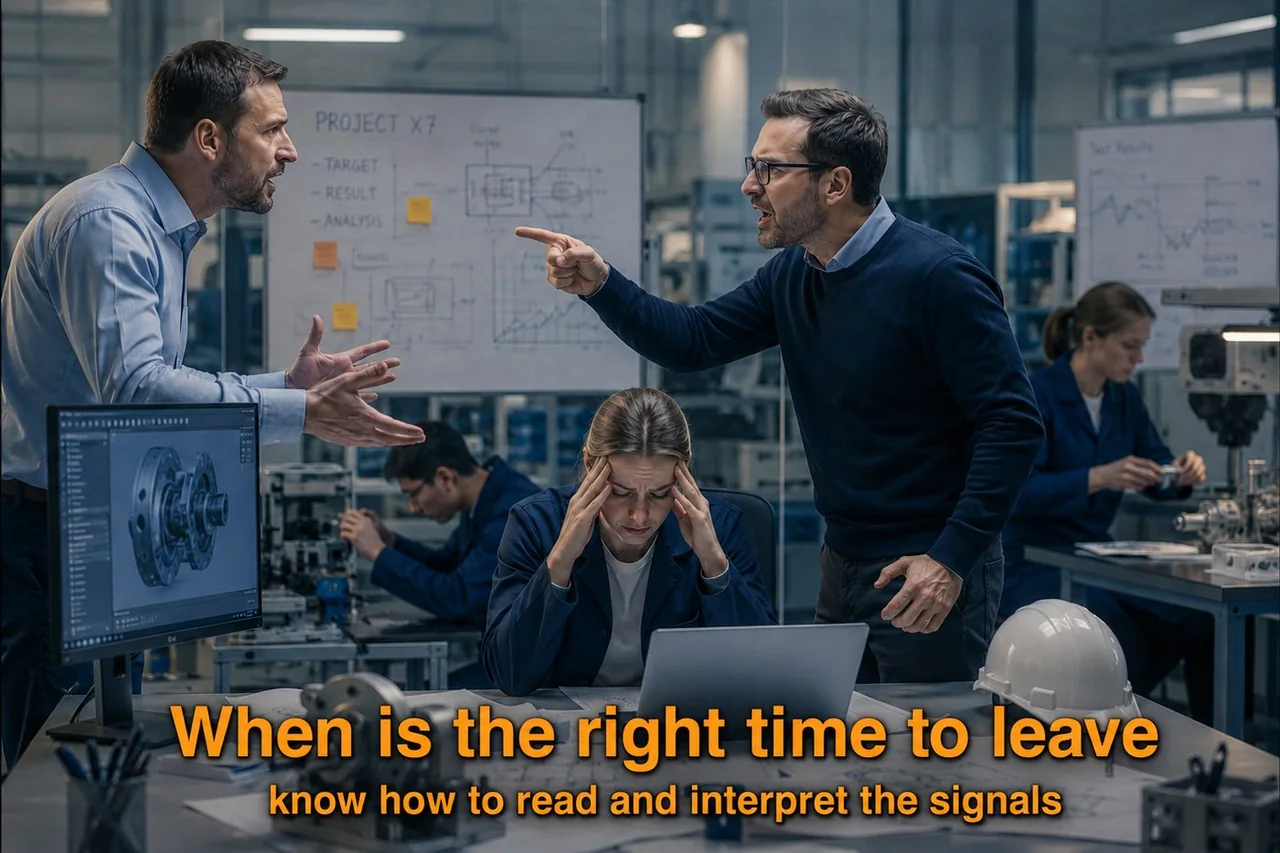
When to Quit — 12 Indicators That It May Be Time to Leave
Twelve signals that separate a difficult period from a role you have genuinely outgrown, and what to test before you resign.
- Stay or go
- ArticleMOVE
Automotive Redundancy: Your Career Capital Is Bigger Than Your Sector
Why changing sector is not starting again — how engineers translate experience, test new markets and create a credible next move.
- Redundancy
- Automotive
 Market intelligenceMOVE
UK Engineering Jobs 2026–2028: Clean Energy, Defence and AI
Where government spending, major programmes and workforce shortages are creating opportunity for experienced engineers and senior STEM professionals.
- Market intelligence
- Sector demand
 Career OS™MOVE
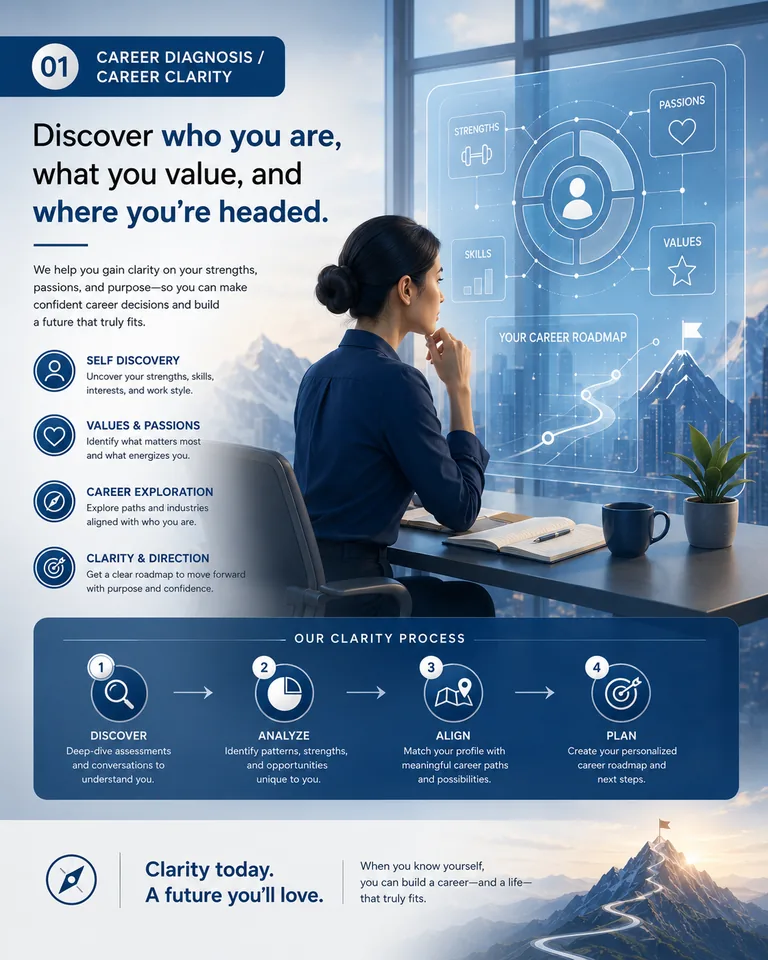
Career OS™ MOVE Stage 1 — Career Diagnosis
The diagnostic stage: what the next move must provide, what you will not repeat, and the evidence needed before choosing a direction.
Read Career OS™ MOVE Stage 1 — Career Diagnosis → Case studyMOVE
From Automotive Risk to Nuclear Opportunity
A senior automotive commercial leader repositioned for small modular reactors: one application, two interviews and an offer at the top of the band from 512 applicants.
- Sector change
 Case studyMOVE
From Redundancy to Wind-Energy CTO
A former automotive Chief Engineer moved from a reduced-earnings interim role to Chief Technology Officer after a network introduction and three interview stages.
- Redundancy
- Executive
 ArticleMOVE / PROPEL
Career OS™ — the Operating System for Senior Careers
A walk-through of the six stages — Career Diagnosis, Positioning, Evidence, Search, Interviewing and Offer — and why each one compounds into the next for experienced operators.
- Career OS™
- Methodology
 Market intelligenceMOVE
Germany’s Automotive Reset
How EV transition, China exposure, workforce restructuring and government intervention are reshaping German automotive — and what it means for engineering careers.
- Market intelligence
- Germany
- Automotive
- EV
 Market intelligenceMOVE
German Industrial Transformation & STEM Labor Outlook (2027–2030)
How public investment, inward FDI, industrial realignment and upskilling are reshaping Germany’s five high-growth STEM domains through 2030.
- Market intelligence
- Germany
- STEM
- Industrial transformation


Also relevant here
Resources whose primary home is another category, but which answer questions raised in this one.

Tools that support this work
Career Decision Matrix
Weighted comparison of up to five career options against your own criteria.
Open Career Decision Matrix →In-Role Satisfaction Score
Test whether the problem is the role, the organisation or the direction.
Open In-Role Satisfaction Score →Positioning Vision Board
Define what the next move must provide before you start applying.
Open Positioning Vision Board →Redundancy Runway Calculator
Calculates your financial runway after redundancy or role loss, with estimated UK tax and the real cost of delaying your next start date.
Open Redundancy Runway Calculator →Career Diagnosis journey
Career Needs Navigator, then the MOVE or PROPEL Readiness Assessment.
Open Career Diagnosis journey →
Continue in a related category
- Career OS™ MOVE
Positioning, CV & LinkedIn
Positioning, value proposition, quantified evidence, engineering CVs, leadership CVs and LinkedIn as a discovery surface.
Open the Positioning, CV & LinkedIn hub → - Career OS™ MOVE
Job Search & Networking
Search strategy, target employers, recruiters, the hidden market and outreach run as a tracked pipeline.
Open the Job Search & Networking hub →
Explore the Career OS™ MOVE pathway
MOVE is the six-stage Career OS™ pathway used when progression requires a new role, employer, sector or direction.
Back to all Career Guides or the Knowledge Centre.