
MOVE Client Success Story
From Automotive Redundancy to Chief Technology Officer in Wind Energy
By Dai Jones · · Success Stories
Paul Higginson had been Chief Engineer at DRVN Automotive. Redundancy removed that role, and like many senior engineering leaders he took a bridge position — a programme-management role in a family business at approximately half his former earnings. It protected income. It did not protect his trajectory.
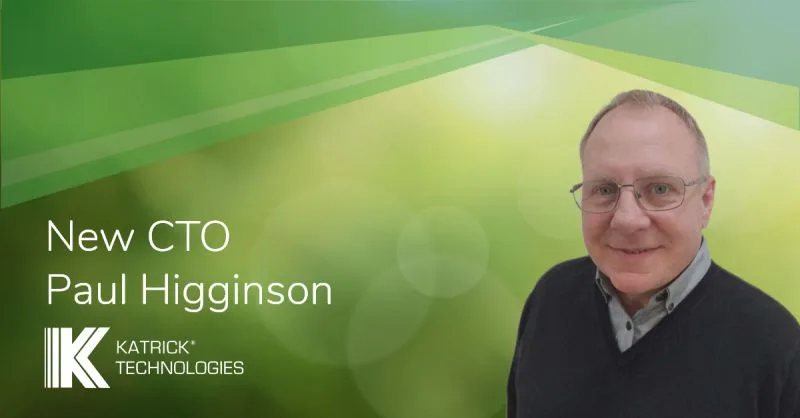
Working through Career OS™ MOVE, Paul completed the full process: diagnosis, positioning, evidence, market targeting and interview readiness. When Dai Jones learned through a senior contact in the MTC network that a clean-energy technology company needed a Chief Technology Officer, Paul was one of four names submitted. He progressed through three interview stages, including an interview with the CEO, and was appointed CTO at Katrick Technologies.
The Situation at a Glance
- Client
- Paul Higginson
- Previous role
- Chief Engineer, DRVN Automotive
- Starting situation
- Redundancy from a senior automotive engineering leadership role
- Interim position
- Programme-management role in a family business at approximately half his former earnings
- Career OS™ route
- MOVE — external sector and role progression
- Target direction
- Clean energy and wind technology leadership
- Opportunity source
- Introduction through a senior contact in the MTC network
- Shortlist
- Four names submitted; Paul was selected to proceed
- Process
- Three interview stages, including an interview with the CEO
- Outcome
- Direct appointment as Chief Technology Officer at Katrick Technologies
- Timescale
- Opportunity identified within approximately three months; appointment followed a five-month grant-funding delay
The Starting Point: Redundancy and an Interim Bridge
Senior engineering redundancy rarely reflects a failure of capability. Programmes end, investment decisions change and organisations restructure. What follows, however, often determines the next decade of a career.
Paul’s immediate priority was income. He accepted a programme-management role in a family business earning roughly half what he had previously earned as Chief Engineer. That decision was pragmatic and understandable. It also created a new problem: the market began to see a programme manager in a small business rather than an engineering leader capable of holding technical authority at executive level.
Why a Bridge Role Becomes a Career Risk
A bridge role buys time. Left unmanaged, it also resets expectations — the candidate’s own expectations as much as the market’s. Salary anchors move downwards. Recent experience stops evidencing leadership scope. Confidence erodes quietly.
The decision is easier to make deliberately when the numbers are visible. Anyone weighing a bridge role after redundancy can work out how much decision time they actually have before income becomes the deciding factor.
The strategic question was not “how does Paul find another job?”. It was “how is Paul positioned at the level his engineering leadership evidence genuinely supports, in a sector with a future?” That is a diagnosis problem before it is an application problem.
A Complete MOVE Process, Not a CV Refresh
Paul completed the whole MOVE process rather than selecting the parts that felt comfortable. Direction and target market were established first. His evidence was rebuilt around technology development, design authority, programme delivery and engineering leadership rather than around automotive as a sector label. Positioning, professional profile and interview readiness were then aligned to executive-level technical leadership.
That sequencing mattered when the opportunity arrived. He was not asked to become credible at short notice; he was already prepared to be considered.
How the Opportunity Actually Arrived
The role was not advertised. Dai Jones heard through a senior contact within the MTC network that a clean-energy technology company was looking for a Chief Technology Officer, and submitted four names for consideration. Paul was the candidate the company chose to take forward.
This is how a significant proportion of senior technical appointments genuinely happen: trusted introduction, followed by rigorous employer assessment. Eich Dyn is a career consultancy rather than a recruitment agency; the introduction opened the door, and the appointment decision belonged entirely to the employer.
Three Interview Stages, Including the CEO
Paul went through three interview stages, one of which was with the company’s CEO. At CTO level, an interview is not a test of enthusiasm. It examines technical judgement, commercial understanding, delivery credibility and whether the individual can hold technology direction in a growing business.
The MOVE preparation meant he could evidence how he had led engineering programmes, made technical decisions under constraint and taken responsibility for outcomes — and could translate that record into the language of a clean-energy technology business.
A Direct Appointment as CTO
Paul was appointed Chief Technology Officer at Katrick Technologies, a company developing wind and energy technology. The move took him from a reduced-earnings interim role directly into executive technical leadership in a sector with long-term structural demand — without an intermediate step to “prove” he was still a senior engineer.
Timing, Patience and a Five-Month Funding Delay
The opportunity was identified within approximately three months. The appointment itself took longer: the company was awaiting grant funding, which took a further five months to be confirmed.
That gap is worth stating plainly, because career timelines are not controlled by the candidate alone. Funding rounds, board approvals and budget cycles all move at their own pace. The candidate’s job is to be positioned, credible and ready when the decision finally becomes possible.
Paul’s Review in His Own Words
Client wording below is reproduced from Paul’s verified review. Eich Dyn’s current service is structured career consultancy delivered through Career OS™.
“I had the privilege of working with Dai from Eich Dyn ES as he assisted me in updating my CV and LinkedIn profile to effectively navigate today’s evolving job market. Having collaborated with Dai previously at Penso, I was confident in his ability to provide expert support, and he once again delivered exceptional results.
Eich Dyn ES takes a highly personalized approach to career development, offering insightful assessments and strategic guidance that are tailored to each client’s unique aspirations and strengths. Thanks to their expertise, I gained the clarity and direction needed to successfully transition into new career opportunities. I wholeheartedly recommend Eich Dyn ES to anyone seeking professional growth or assistance with career transitions.”
Executive Career Coach or Structured Career Consultancy?
Senior technical leaders in this position often begin by searching for an executive career coach. Coaching is a reflective conversation; it helps someone think more clearly about a decision they already own. What this case required was different work: a diagnosis of market level, a rebuilt evidence base and a defined target sector.
That is why people searching for a career coach for executives, or a career coach for senior executives, frequently need structured executive career consultancy instead — someone accountable for the positioning itself, not only for the reflection around it. Eich Dyn’s career consultant services are built on that distinction.
Where progression, leadership and evidence overlap
Much of this work sits on the same ground as technical director career progression: scope, authority, commercial understanding and the ability to hold technology direction. Engineering leadership coaching can support the behavioural side of that shift, but the market judges documented evidence. Practical CV writing for engineers matters here too — not as formatting, but as the disciplined translation of engineering delivery into decisions, constraints and outcomes a board can assess.
What This Case Demonstrates
1. A bridge role should be managed, not accepted permanently
Taking interim work to protect income is reasonable. Allowing it to define your market level is not.
2. Sector labels understate engineering leadership
Technology development, design authority and delivery leadership travel further than the industry in which they were built.
3. Senior opportunities often arrive through trust
Many executive technical roles never reach a job board. Being known, credible and ready matters as much as applying.
4. Readiness must precede the opportunity
Four names were submitted; one candidate converted three interview stages. Preparation completed months earlier decided that.
5. Progression in role has its own route
Where the right move is internal rather than external, the PROPEL route applies the same discipline inside an existing employer.
Frequently Asked Questions
Was this role advertised?
No. Dai Jones learned that Katrick Technologies needed a Chief Technology Officer through a senior contact in the MTC network and submitted four names for consideration. Paul was selected from that shortlist and then progressed through the company’s own interview process.
Does Eich Dyn place candidates into roles?
Eich Dyn is a career consultancy, not a recruitment agency. Eich Dyn does not employ, place or represent candidates for a fee from employers. In this case an introduction was made through a professional network; the appointment decision was made entirely by the employer following its own interview process.
How long did the transition take?
The opportunity was identified within approximately three months of the work beginning. The appointment itself followed later because the company was waiting on grant funding, which took a further five months to be confirmed.
Why did an interim role at reduced earnings matter?
A bridge role protects income in the short term but can quietly reset how the market values a senior professional. The MOVE work was designed to reposition Paul at the level his engineering leadership evidence supported, rather than at the level his interim role implied.
Is automotive engineering leadership relevant to wind energy?
It can be. Senior engineering leadership frequently involves transferable capability in technology development, programme delivery, design authority and team leadership. Relevance depends on the specific role, the strength of the evidence and how credibly it is positioned for the target sector.
Did Eich Dyn negotiate the salary or terms?
The appointment terms were agreed between Paul and Katrick Technologies. Eich Dyn’s role was diagnosis, positioning, evidence, interview readiness and the introduction that opened the conversation.
Can this result be repeated?
The method is repeatable; the outcome is not guaranteed. Results depend on a candidate’s experience, evidence, execution, available opportunities, competition, employer decisions, funding and timing. Eich Dyn does not guarantee interviews, offers or appointments.
Publication and Evidence Note
Paul Higginson has authorised the use of his name, previous role at DRVN Automotive, his appointment as Chief Technology Officer at Katrick Technologies and his verified review. The announcement graphic was published by Katrick Technologies. No remuneration figures, product claims or company performance claims beyond those stated by the client and the employer are implied.
Individual outcomes vary and depend on experience, evidence, competition, market conditions, timing, employer decisions and client execution. Eich Dyn does not guarantee interviews, offers, appointments, promotions, salary outcomes or immigration outcomes.
Related Client Case Studies
Seven Months Remaining: An Engineer’s Internal Progression Strategy
PROPEL. A manufacturing-engineering pivot delivered internally against a Skilled Worker visa deadline.
From Automotive Risk to Nuclear Opportunity
MOVE. One application, two interviews and an offer at the top of the salary band from 512 applicants.
From Polestar and McLaren to a New Sector — and 15% More
MOVE. Transferable Life Cycle Analysis expertise into infrastructure, plus a 15% higher offer.
From JLR Management to Advanced Manufacturing at the MTC
MOVE. A successful management-grade professional repositioned for a Manufacturing Specialist role in advanced manufacturing.
Stalled after redundancy or stuck in a bridge role?
If your recent role no longer reflects the engineering leadership you have actually delivered, the first step is an honest diagnosis of where your evidence positions you and which market genuinely needs it.